
Best Things to Do in Warsaw for First-Time Visitors
A practical guide to Warsaw attractions, food, and hands-on experiences for travelers visiting Poland's capital for the first time.
Why Warsaw deserves more than a quick stop
Warsaw is one of those cities that rewards curiosity. At first glance it can feel practical and modern, but a few hours in, you start noticing the layers: rebuilt Old Town facades, bold post-war architecture, quiet courtyards, leafy parks, milk bars, and small cultural experiences that make the city feel personal.
Many travelers arrive with one big question: what are the best things to do in Warsaw if you are here for the first time? The answer depends on how you like to travel, but a strong Warsaw itinerary usually combines three things: history, local life, and food. See the famous Warsaw attractions, but also give yourself time to understand the city through daily life.
Quick idea: across your whole Warsaw trip, try to include at least one major sight, one neighborhood walk, one Polish meal, and one hands-on experience. You do not need to do all of them in one day; the best itinerary gives each part room to breathe.
Start with the Old Town, but look closer
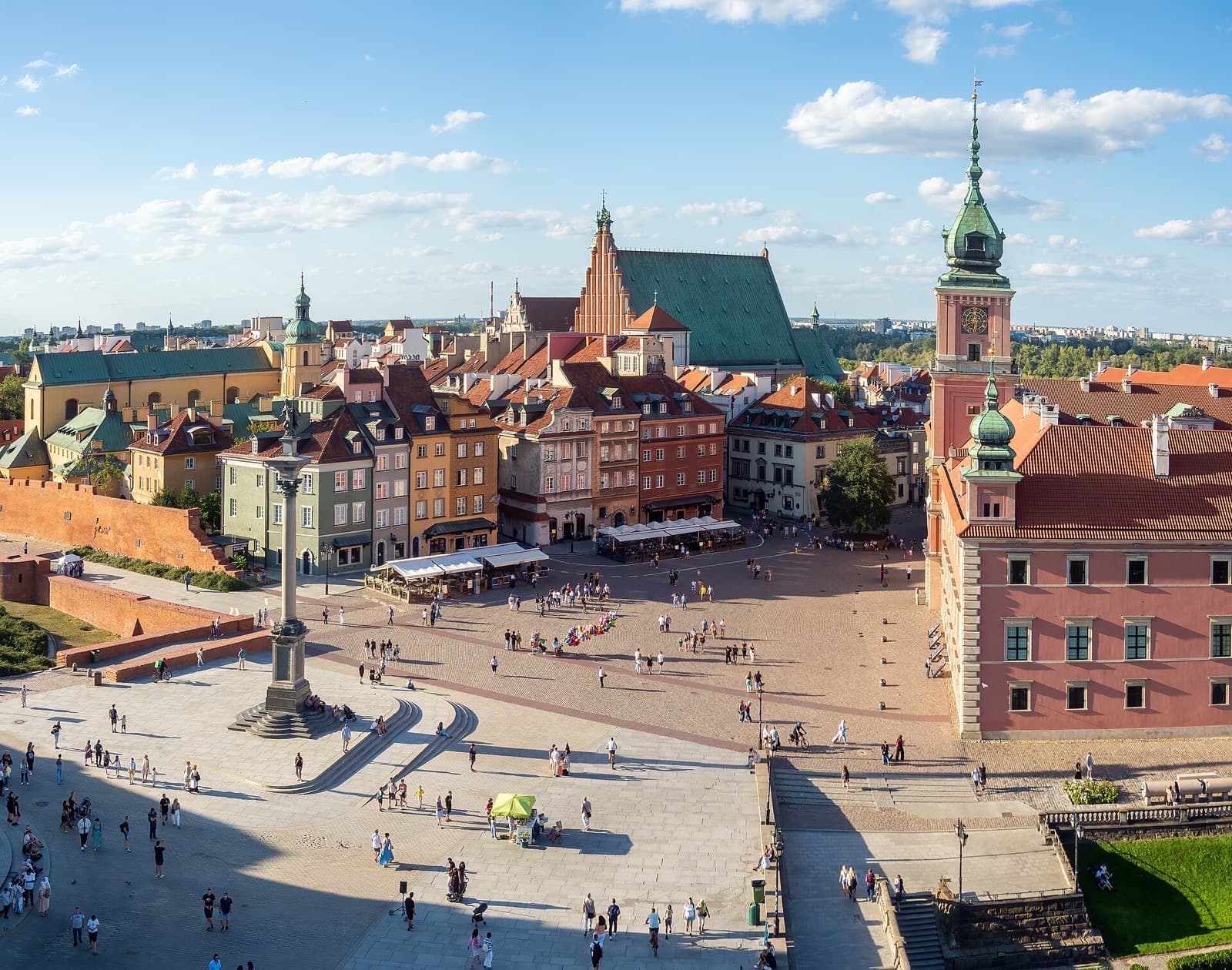
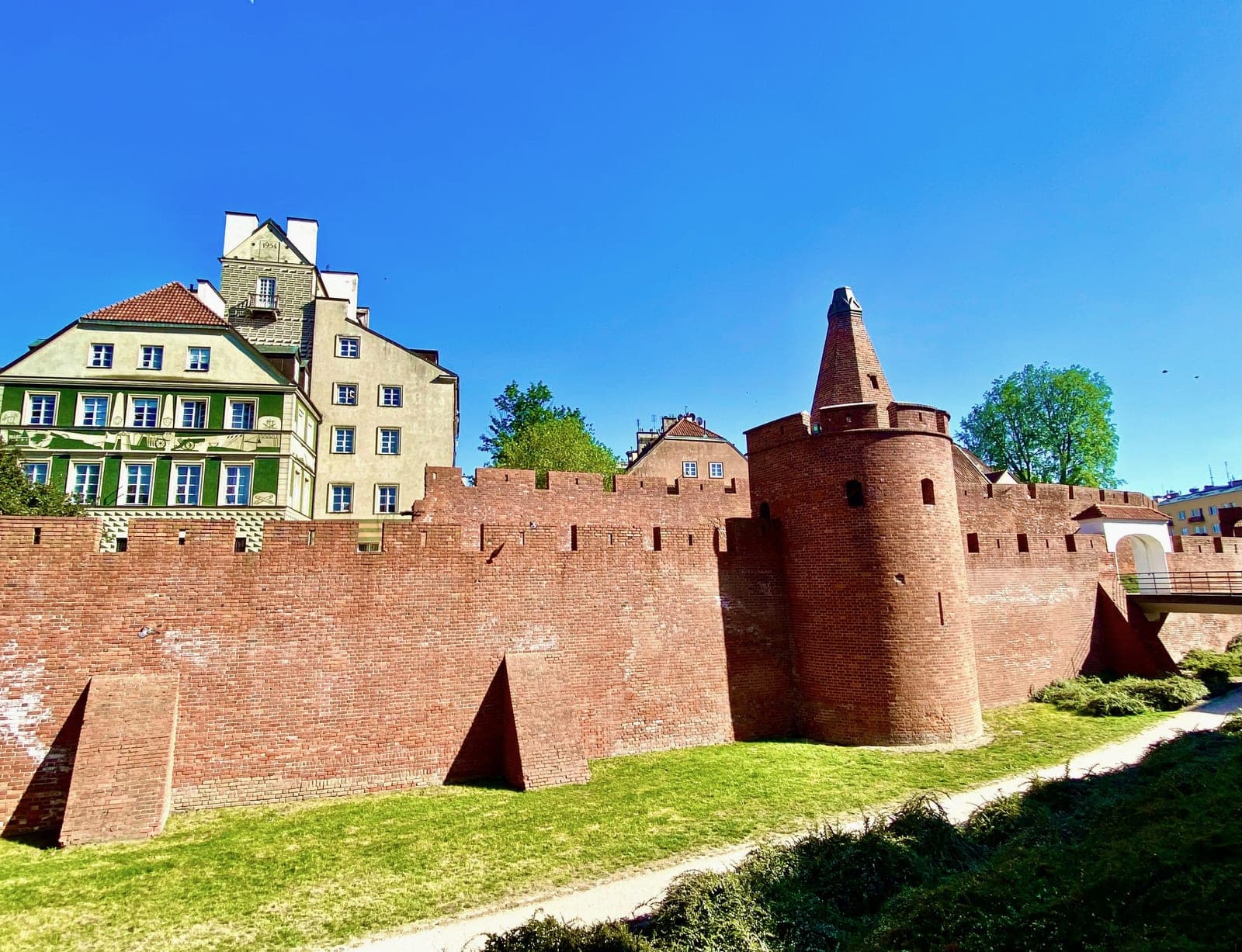
The Old Town is the obvious first stop, and it is worth it. Walk from Castle Square to the Market Square, continue toward the Barbican, then drift down toward the Vistula boulevards. It is compact, easy to explore on foot, and full of visual details: painted facades, narrow passages, church towers, and street musicians in summer.
What makes Warsaw Old Town unusual is that it is not simply old. It was almost completely destroyed during World War II and carefully rebuilt afterward. That makes it both historic and deeply modern in spirit: a monument to memory, craft, and the stubborn decision to bring a city back to life.
Go early in the morning if you want calmer streets. Come near sunset if you want warmer light and a more atmospheric walk. If you only see the Old Town in the middle of the day, it can feel busy and touristy; if you give it quieter hours, it becomes much more moving.
Balance history with living neighborhoods
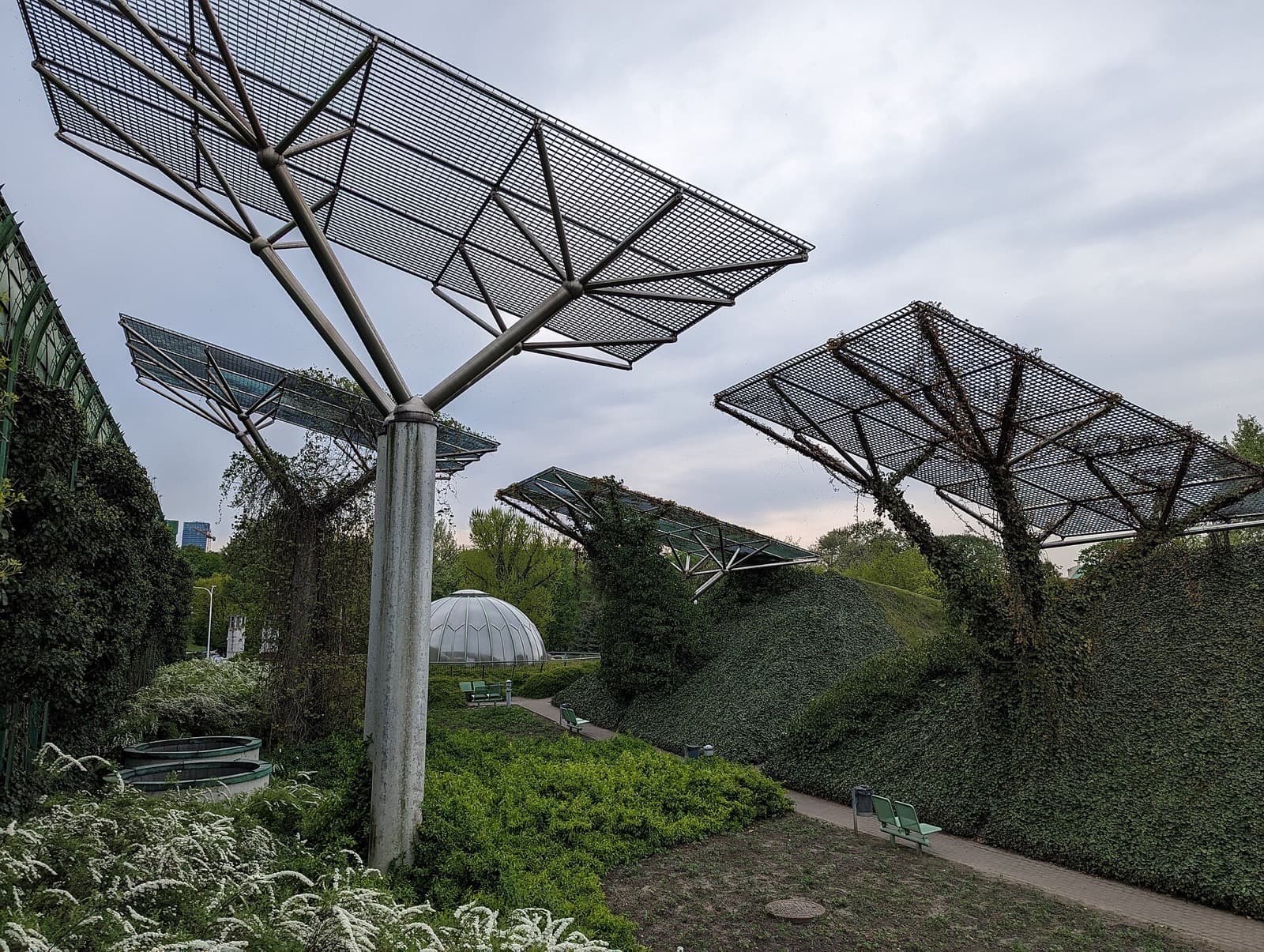
After the Old Town, shift into neighborhoods where Warsaw feels more local, either later the same day or the next morning. You can visit the green rooftop garden at the University of Warsaw Library, one of the easiest open-air viewpoints in the city.
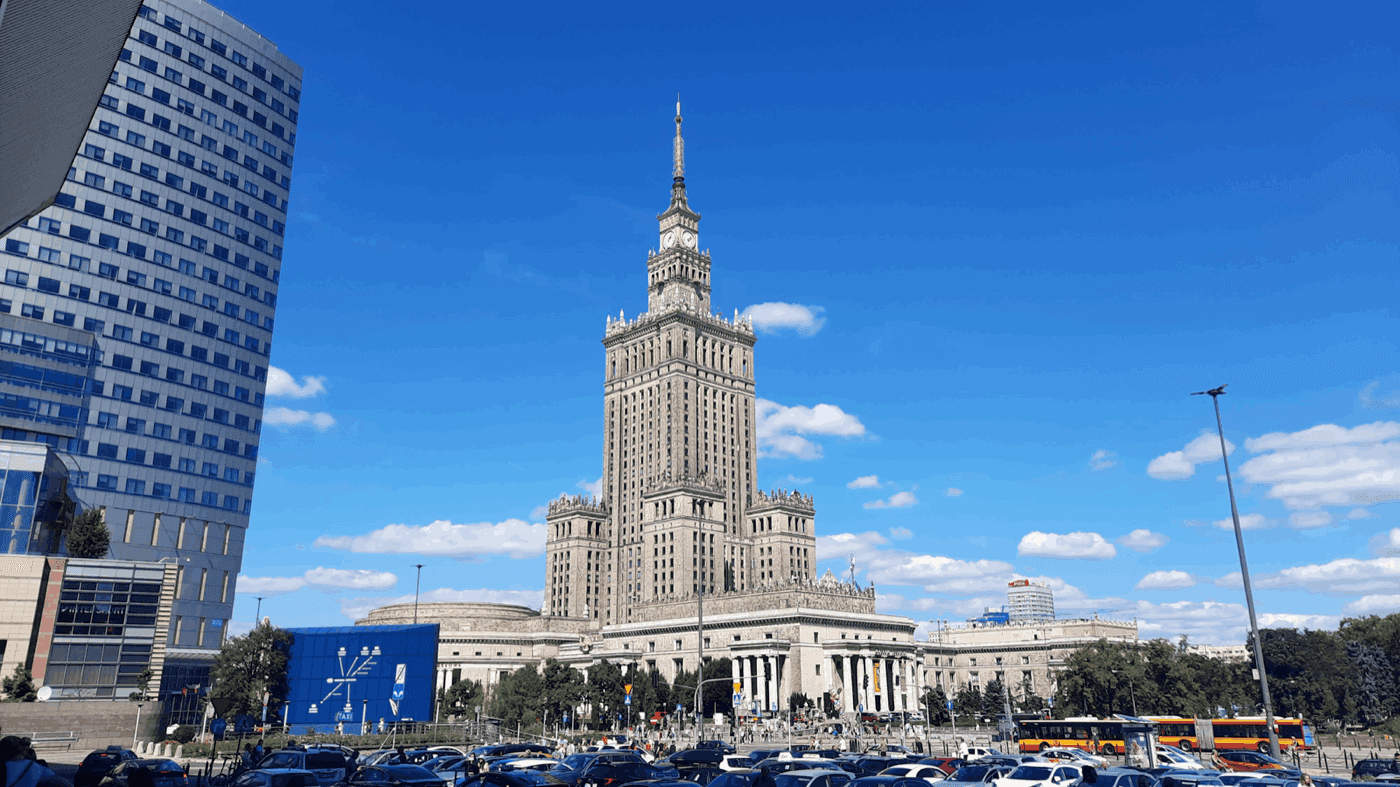
On a sunny day, the University of Warsaw Library rooftop garden is often a better viewpoint than the Palace of Culture and Science terrace: it is open-air, green, calm, and lets you see Warsaw without glass or a metal grid in front of you. If the weather turns rainy or windy, buy a ticket for the Palace of Culture and Science instead and enjoy a beautiful, wide view of Warsaw from a higher viewpoint.
If you want to keep walking, choose Powisle for cafes and the river, Praga for older brick streets and galleries, or Zoliborz for a greener residential mood. Treat this as an alternative to another big attraction, not an extra obligation. These neighborhoods are perfect if you want Warsaw things to see beyond the most photographed spots.
Add one museum that gives the city context
Warsaw has several museums that can change how you read the streets afterward. The Warsaw Uprising Museum is intense, emotional, and useful for understanding the destruction and rebuilding of the capital. POLIN Museum of the History of Polish Jews is one of the best cultural institutions in the city and gives important context to Jewish life in Poland. The National Museum is a great choice if you're interested in art and design. For something lighter after a history-heavy day, visit The Polish Vodka Museum. It's a fun way to learn why vodka has such a strong place in Polish culture.
Do not try to visit every major museum in one short trip. Choose one or two and give them enough time. If you are also planning a cooking class or a longer neighborhood walk, save the museum for another day or make it the main cultural stop. Warsaw rewards depth more than checklist sightseeing.
Eat something unmistakably Polish
Food is one of the easiest ways to understand Warsaw. Try Polish dumplings (pierogi), sour rye soup (zurek), potato pancakes (placki ziemniaczane), pickles (ogorki kiszone), smoked cheese (oscypek), poppy seed desserts (makowiec), and seasonal Polish produce. Traditional restaurants can be wonderful, but even a simple lunch in a milk bar can tell you a lot about Polish comfort food.
Pierogi are especially important because they are one of Poland's most famous and traditional dishes. You can order them in many restaurants, but making them by hand gives you a much better story to take home. You learn why the dough matters, why the filling should be generous but not overloaded, and why folding pierogi is more social than it looks.
Make one activity hands-on
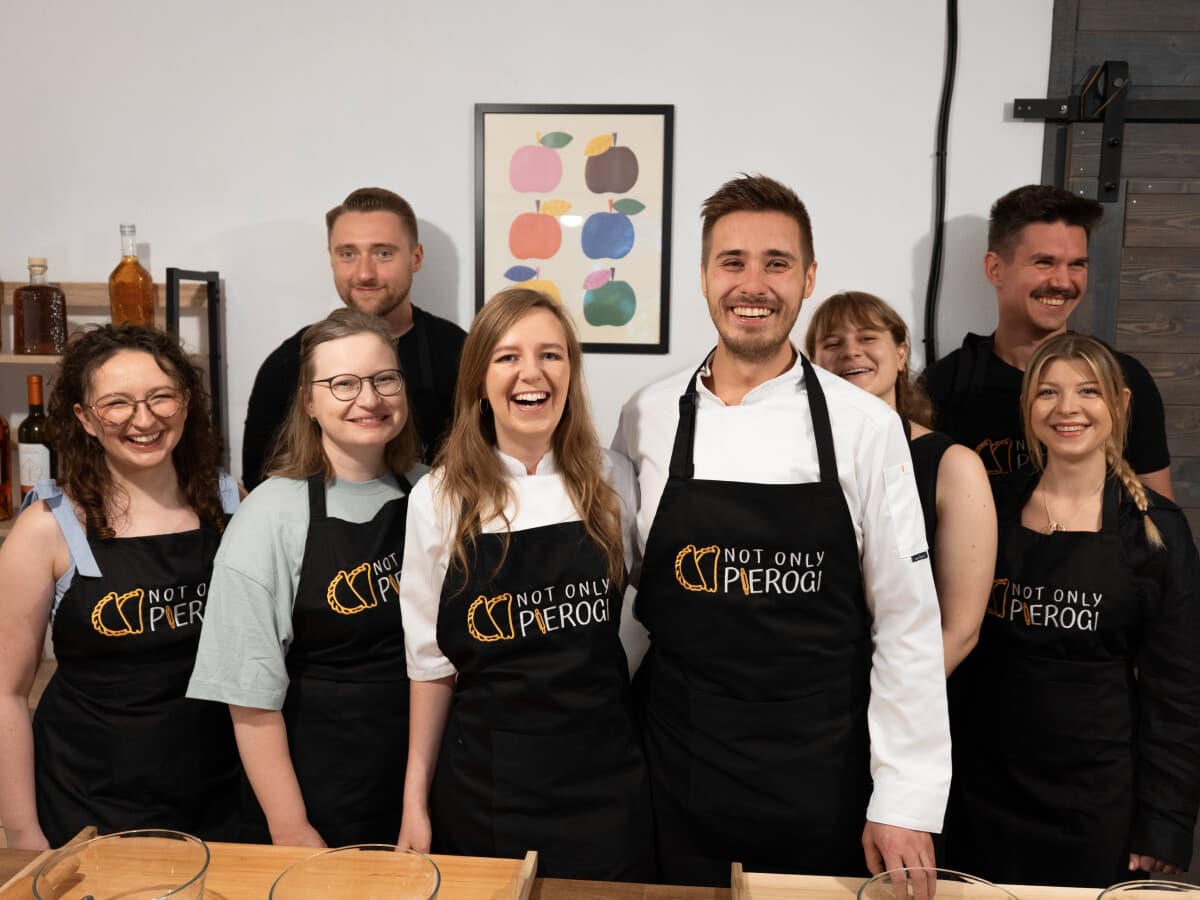
Museums, viewpoints, and neighborhood walks are important, but one of the best things to do in Warsaw is choose an experience you can actually take part in. At Not Only Pierogi, our Warsaw pierogi cooking class with cider tasting turns Polish food culture into a warm, hands-on activity: you make pierogi dough from scratch, prepare traditional fillings, learn how to fold pierogi, taste local cider, and sit down to eat the meal you created together.
It is a fun Warsaw cooking class for travelers who want more than another restaurant dinner or standard city tour. The class is in English, friendly for beginners, and relaxed from start to finish. It is a good choice if you want a Warsaw cooking class that helps you understand Polish food, not just taste it. By the time you leave, you understand why pierogi matter, you have recipes to take home, and your Warsaw trip has a story that feels genuinely yours.
A simple first-time Warsaw itinerary
For one day in Warsaw, keep the plan simple:
- Morning: Old Town and the Royal Castle area
- Lunch: Polish food somewhere nearby
- Afternoon: one slower choice, such as a museum or the University of Warsaw Library rooftop garden
- Evening: pierogi cooking class with cider tasting
That is enough for a first day. If you are staying longer, add Lazienki Park, Praga around Zabkowska Street and Koneser, Wilanow Palace, the Palace of Culture and Science, or another museum. You can also follow a slower route through unique things to see in Warsaw beyond the Old Town.
What to skip if time is short
Do not spend too much time crossing the city for places that only interest you mildly. Warsaw is large, and travel time can eat into a short visit. It is better to do fewer things well than to turn the day into logistics. Across the trip, aim for one museum, one neighborhood walk, one strong meal, and one memorable experience, but spread them out if your schedule allows.
Final tip
Do not try to see everything in one day. Warsaw is best when you mix major sights with slower moments: a park bench, a tram ride, a market, a shared table, a plate of pierogi. If you are wondering what to do in Warsaw, start with the famous attractions, then make room for the city to become personal.