
Warsaw Pierogi Guide: What to Try and Why They Matter
Learn what pierogi are, which fillings to try in Warsaw, and why a pierogi cooking class is one of the best food experiences in Poland.
Pierogi are more than dumplings
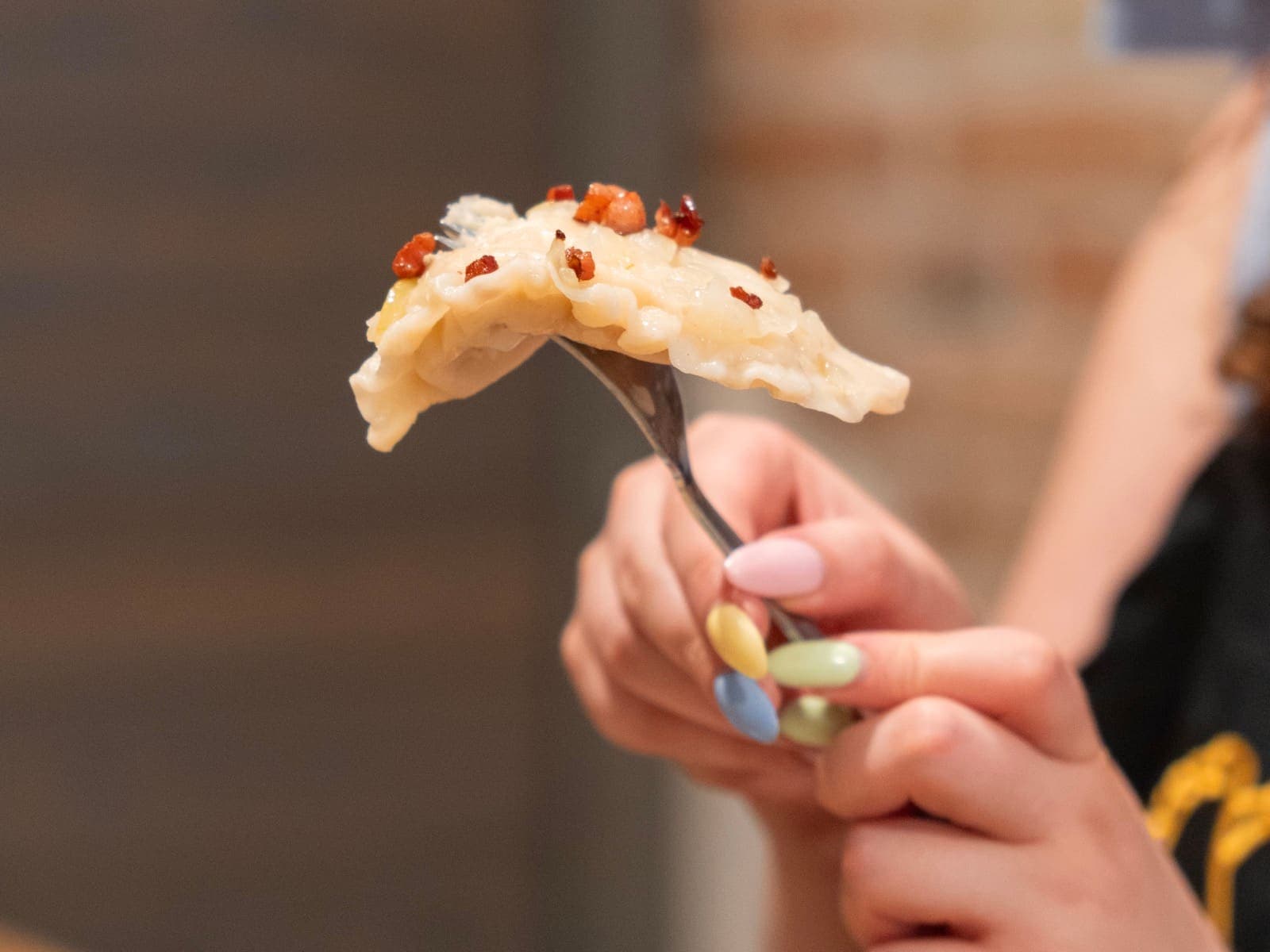
Pierogi are often described as Polish dumplings, but that only tells part of the story. They are comfort food, family food, holiday food, student food, and one of the dishes travelers most want to try when they visit Warsaw. A good pierogi experience is soft dough, generous filling, and the small joy of choosing whether you want them boiled, pan-fried, sweet, savory, classic, or seasonal.
If you search for Warsaw pierogi, you will find plenty of restaurants. That is useful, but it can also be overwhelming. The better starting point is understanding what kinds of pierogi exist and what makes them good. Pierogi are simple, but they are not accidental. The best ones are built from small choices: dough texture, filling balance, toppings, and timing.
The classic fillings to know
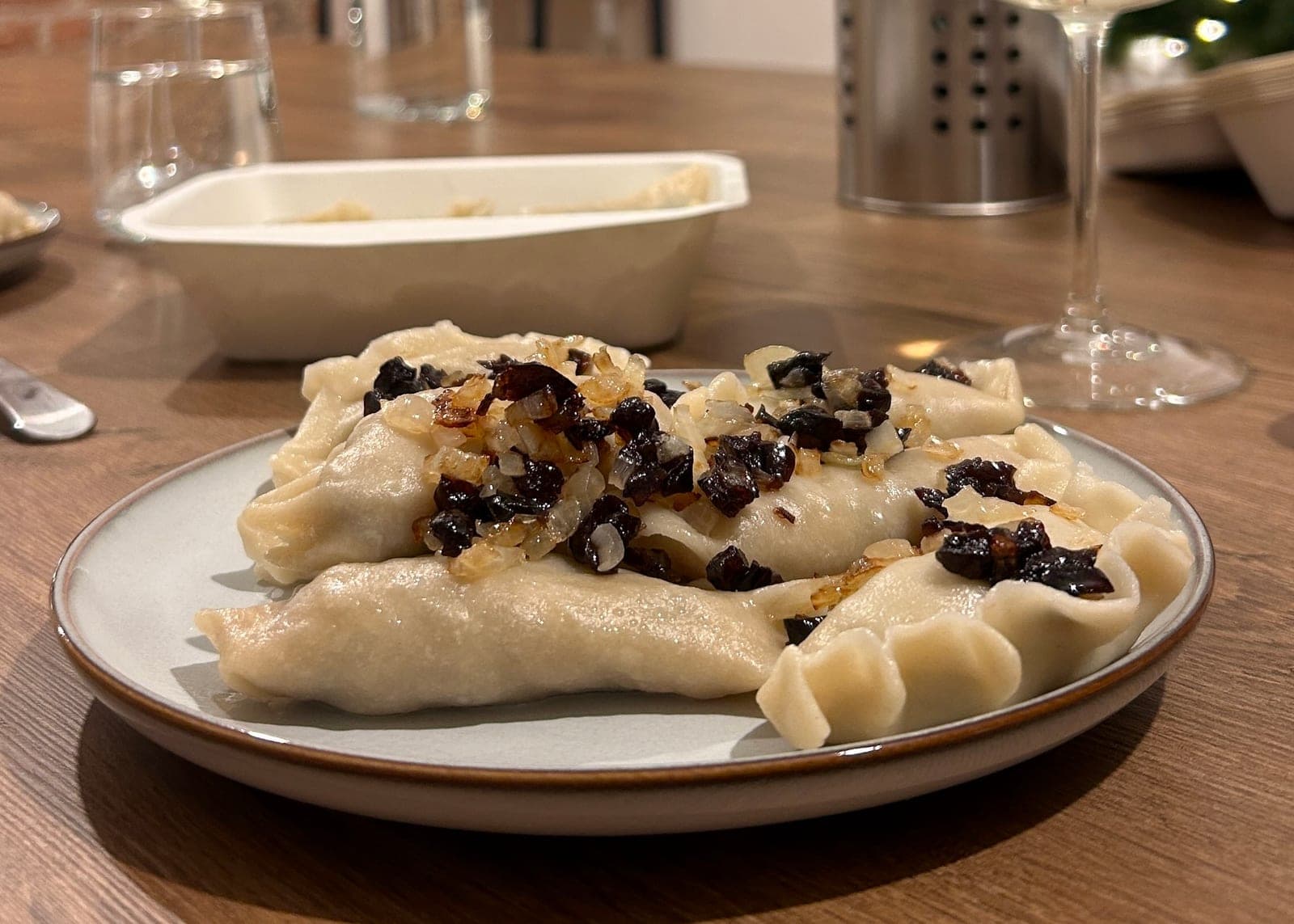
If this is your first time eating pierogi in Warsaw, look for a few classics. Cheese and potato pierogi, called ruskie pierogi, are filled with potato, farmer's cheese, and onion. The name comes from the historical region of Rus, not from Russia. They are a Polish classic and probably the most beloved everyday version. Meat pierogi are richer and more savory. Sauerkraut and mushroom pierogi are especially loved around Christmas, though you can often find them throughout the year.
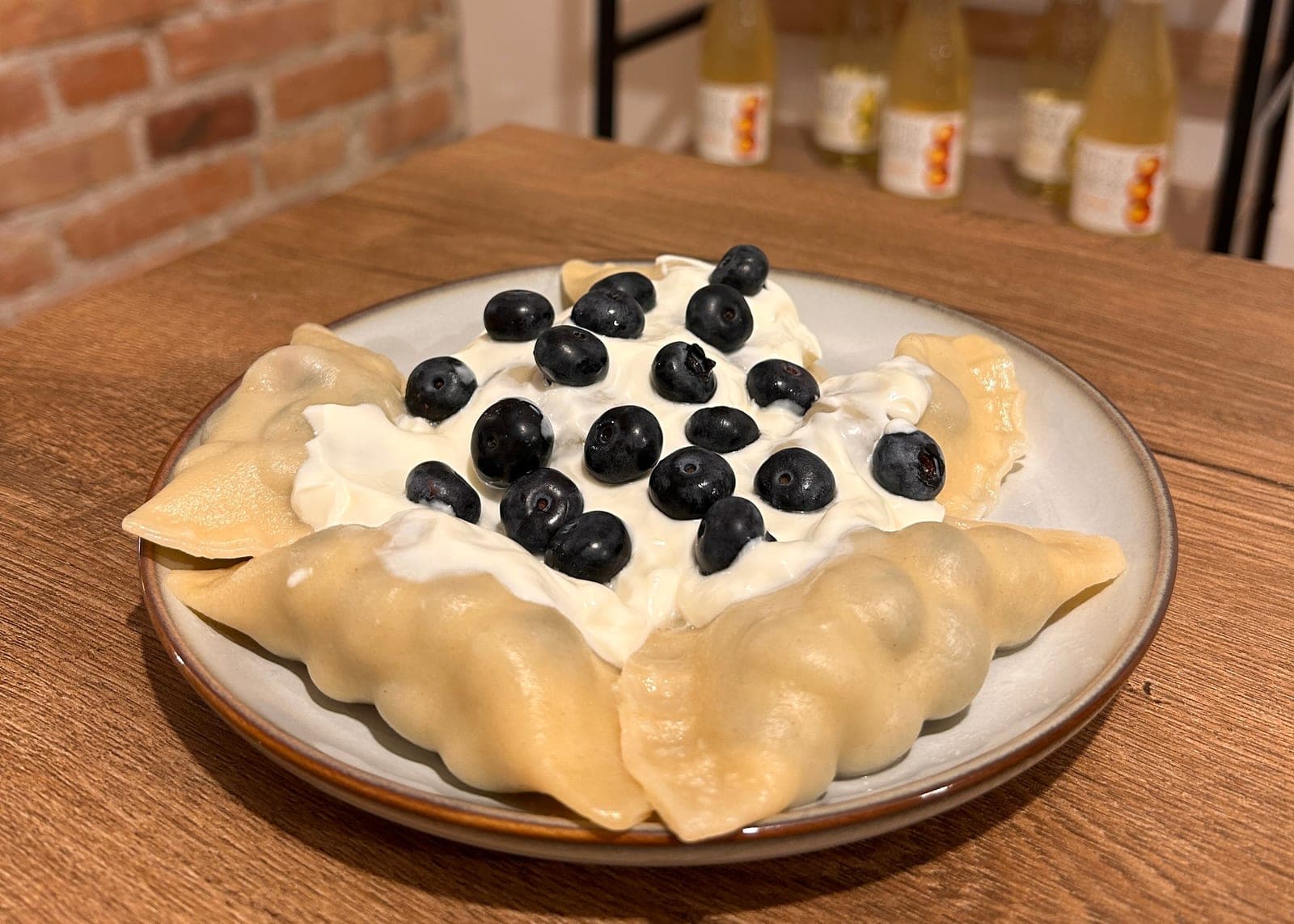
Sweet pierogi are also worth trying. They can be filled with sweet cheese, strawberries, blueberries, plums, or other fruit depending on the season. They are usually served with cream, sugar, or buttered breadcrumbs. For some visitors this is surprising, but in Poland sweet pierogi are completely normal and deeply nostalgic.
Ordering tip: if you only order one plate, choose a mixed portion if it is available. It gives you a better sense of Polish food than committing to a single filling too early.
Boiled or fried?
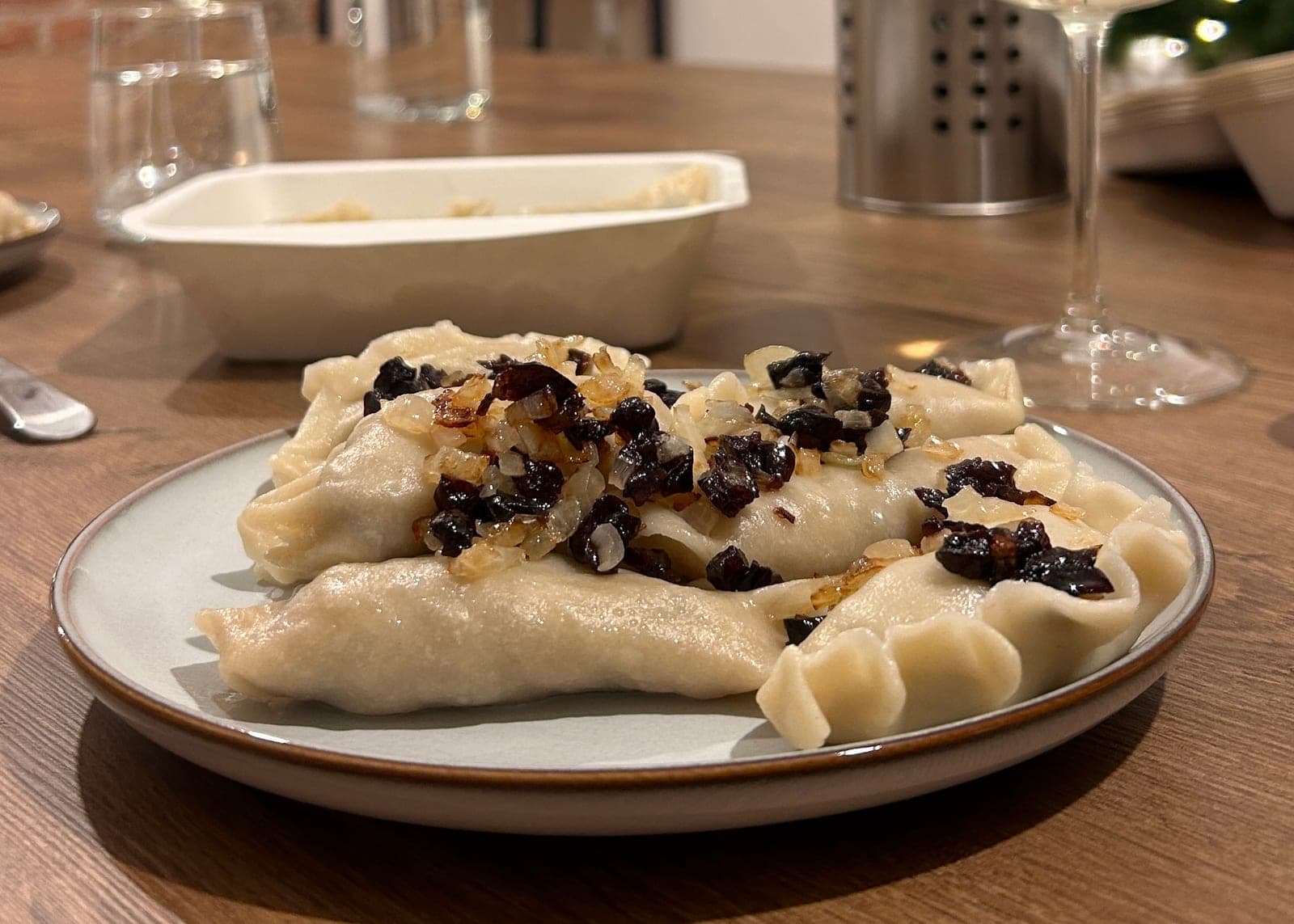
Freshly boiled pierogi are soft and delicate. Fried pierogi have crisp edges and a deeper flavor. Neither version is more correct. Many Polish families boil them first and fry leftovers the next day, which might be the most persuasive argument for making too many.
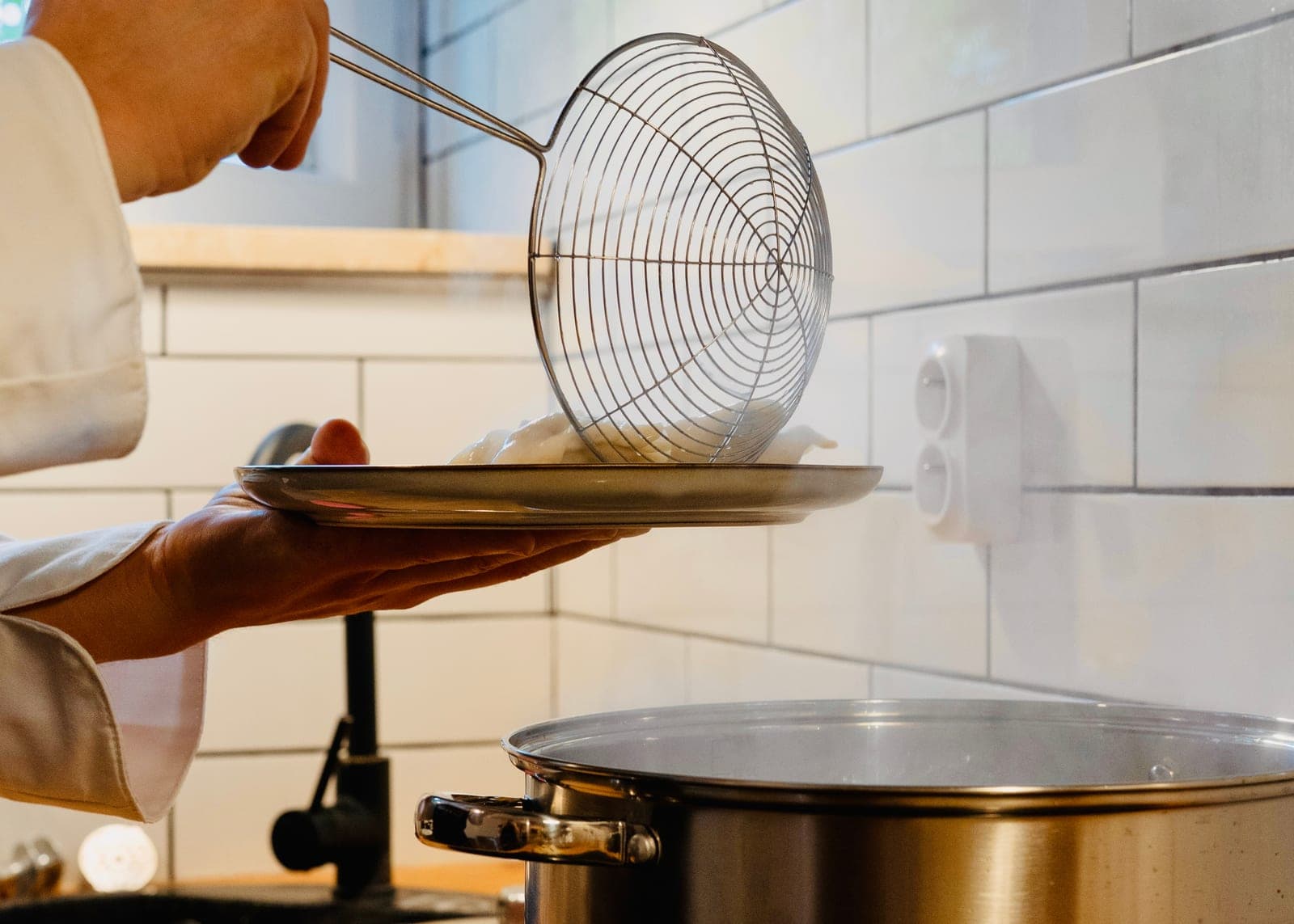
If you are ordering in a restaurant, boiled pierogi are usually the purest test of the dough and filling. Fried pierogi are satisfying when you want something heartier, especially in colder weather. The best answer is to try both if you can.
What makes pierogi good?
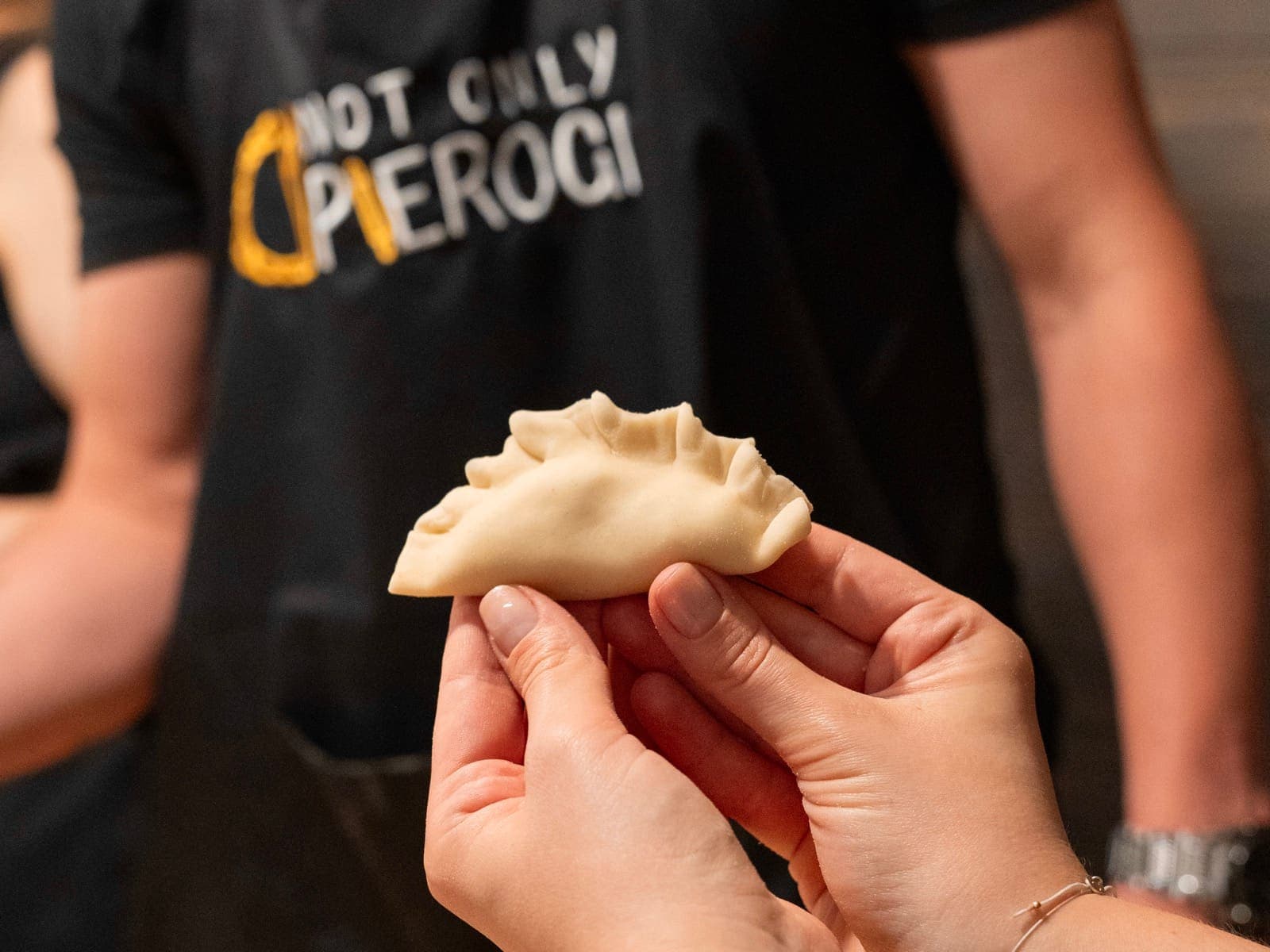
Good pierogi are balanced. The dough should be tender, not rubbery. The filling should be flavorful enough to stand on its own, but not so wet that it breaks the dough. The edges should be sealed properly. The portion should feel generous without becoming heavy.
The small details matter: fried onion on top, a spoonful of sour cream, herbs, butter, or a little crispness from the pan. Pierogi are simple food, but simple food depends on care. A forgettable pierogi is just filling wrapped in dough; a good pierogi feels like someone knew exactly what they were doing.
Where pierogi fit into Polish culture
Pierogi are not only tourist food. They appear at family gatherings, Christmas Eve dinners, casual lunches, and freezer emergency plans. Many Polish people have strong opinions about the best filling, the correct thickness of dough, and whether grandma made them better than everyone else. Usually grandma wins.
For visitors, pierogi are a delicious introduction to Polish food because they are approachable but still culturally meaningful. You can enjoy them without knowing anything, then appreciate them more as you learn. That is exactly why they work so well as a first Polish food experience in Warsaw, especially if you are planning your first trip with our first-time visitor guide to Warsaw.
Why making pierogi changes how they taste
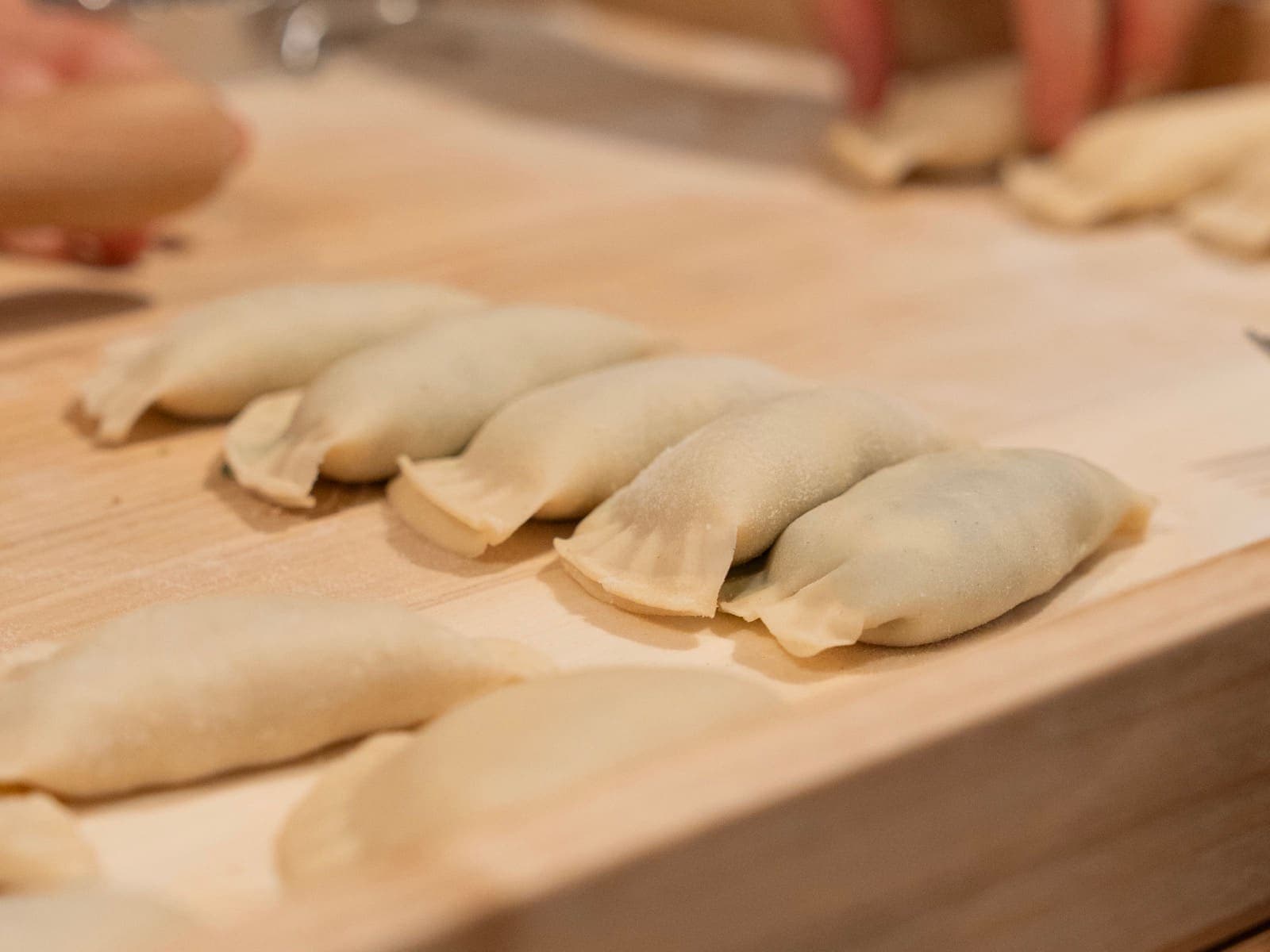
Pierogi taste different when you have rolled the dough yourself. You notice how thin the dough should be, how much filling is enough, and why sealing the edges matters. You also learn that pierogi are social food: they are easier, funnier, and better when made around a table with other people.
This is why a Warsaw pierogi cooking class can be more memorable than simply ordering a plate in a restaurant. A restaurant gives you the finished dish. A hands-on workshop gives you the story, the skill, the smells from the kitchen, and the fun of eating something you made yourself.
What to expect from a pierogi cooking class
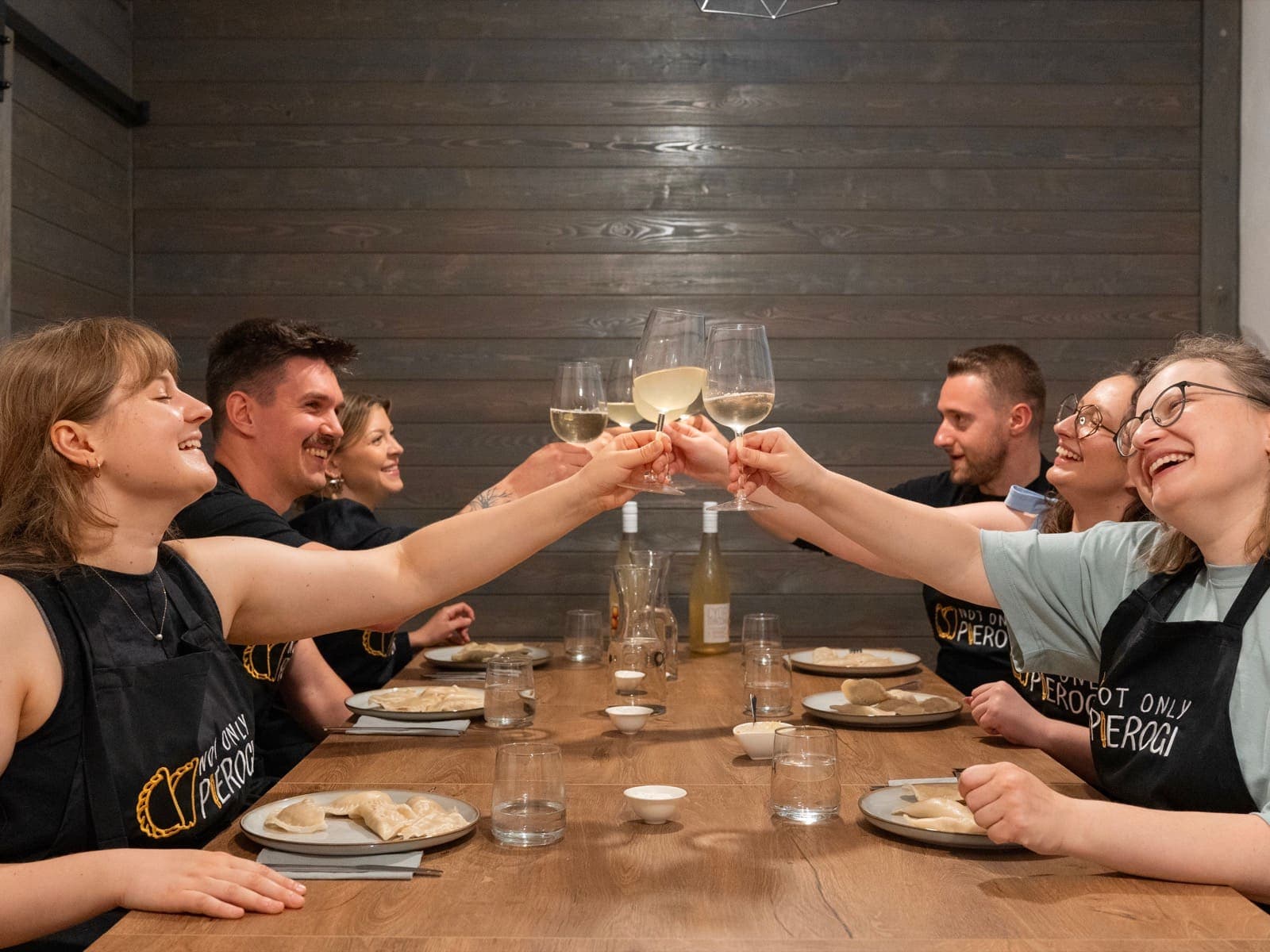
At Not Only Pierogi, our Pierogi Cooking Class with Cider Tasting is designed for travelers who want Polish food to become one of the highlights of their Warsaw trip. You make pierogi dough from scratch, prepare fillings, learn folding techniques, cook your pierogi, sip local cider, and sit down to enjoy the meal together.
The class is in English, relaxed, and welcoming even if you never cook at home. It works beautifully for couples, solo travelers, friends, families, and anyone looking for a fun Warsaw cooking class that feels local, social, and delicious. You leave with recipes, practical skills, and the kind of food memory that is much better than another souvenir.
A useful ordering tip
When you eat pierogi in Warsaw, ask what is homemade and what is seasonal. The best places are proud of their fillings, and the seasonal versions often tell you what Polish kitchens are excited about right now. If you are visiting in summer, try fruit pierogi. If you are visiting in winter, look for sauerkraut, mushroom, or richer savory fillings. And if the weather turns grey, pierogi also fit perfectly into a rainy-day Warsaw plan.
Final thought
Warsaw has many modern restaurants, international menus, and creative chefs, but pierogi remain one of the simplest and best ways to connect with Polish food. Taste them, make them if you can, and do not be surprised if they become the dish you talk about after the trip.